
For the first time in decades, the numbers told a different story. In 2024, drug overdose deaths in the United States dropped by 26.2%, falling from 105,007 deaths to 79,384. That’s the steepest single-year decline ever recorded, and it came after nearly two years of steady improvement that had already surprised researchers who’d grown accustomed to reporting worse news each year.
The decline wasn’t small or isolated. It showed up across nearly every demographic group, every age range, and 45 of the 50 states. Young people experienced the most dramatic improvements, with overdose deaths among 15 to 24 year olds plummeting by 37%. Even populations that typically face the highest risks saw significant decreases, including a 30.9% drop in overdose deaths among Black Americans.
These aren’t just statistics. They represent roughly 25,000 people who lived through 2024 who might not have survived the year before. But as provisional data from early 2025 starts coming in, a harder question emerges: was 2024 a turning point or just a pause?
Why Deaths Finally Dropped
Nobody can point to one single cause for the decline, which is probably a good sign. It suggests that multiple interventions started working at the same time, creating a compounding effect that finally overwhelmed the factors driving deaths upward for so long.
The supply of illicit fentanyl appears to have weakened. Research points to regulatory changes in China that made it harder to obtain the precursor chemicals needed to manufacture fentanyl in Mexican labs. When Chinese authorities cracked down on these sales in 2023, the effects rippled through to American streets within months. Drug Enforcement Administration testing showed fentanyl purity dropping after years of increases.
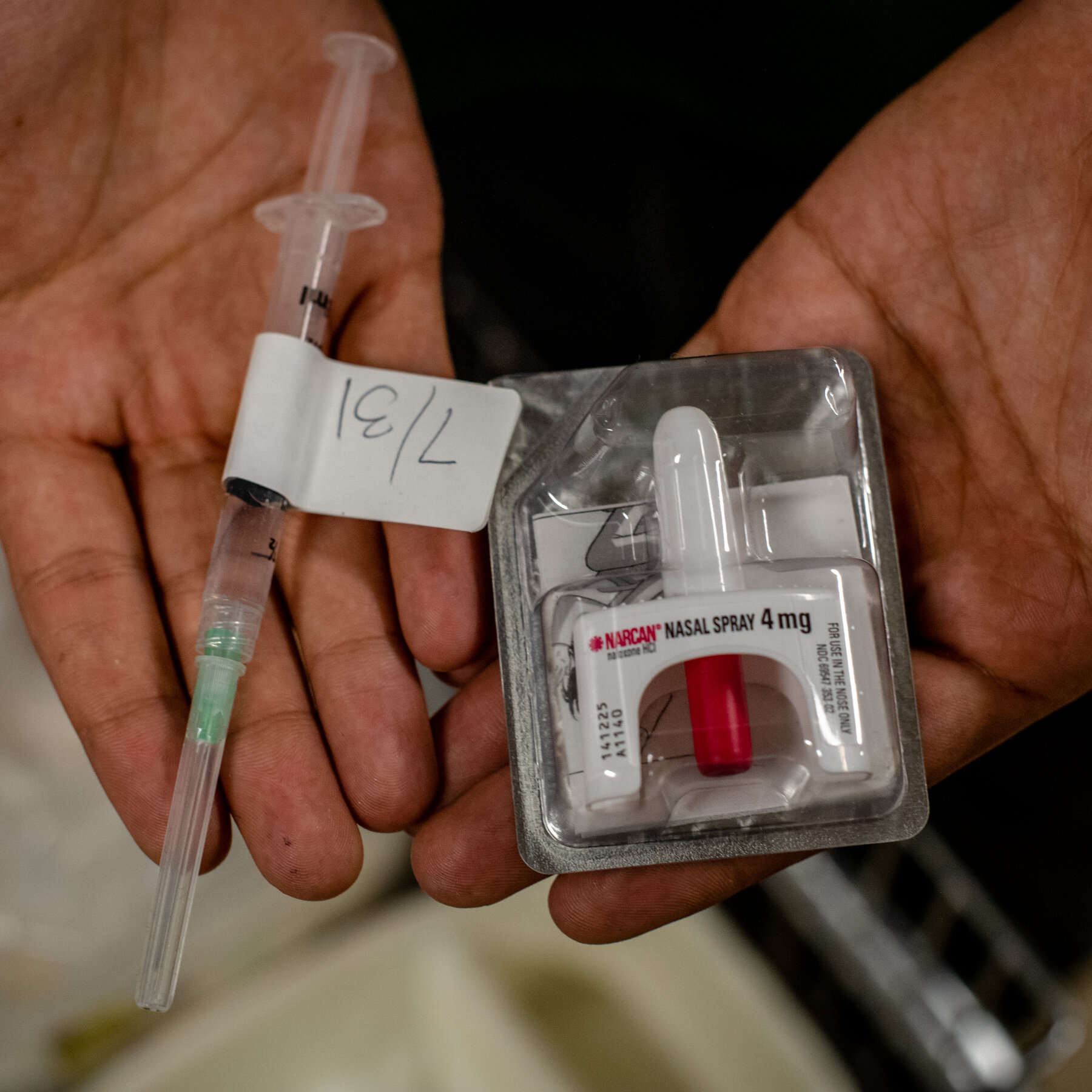
At the same time, naloxone became genuinely accessible. The overdose reversal medication went from being something only paramedics carried to something available over the counter at any pharmacy. Harm reduction organizations distributed it widely. People who use drugs started carrying it for each other. When someone overdoses with naloxone nearby, they usually survive.
Treatment access improved significantly too. Billions in opioid settlement funds flowed to states, supporting expanded services. Medication-assisted treatment became less controversial and more available. For those seeking comprehensive care, resources like Luxury Rehab have made it easier to find treatment providers offering evidence-based approaches that address the whole person rather than just the addiction.
The post-pandemic stabilization mattered as well. COVID had disrupted everything from treatment access to drug supply chains to the social connections that keep people alive. As life normalized, some of those destabilizing factors faded.
The Warning Signs
Here’s the uncomfortable part. Provisional data from January 2025 shows a slight uptick, with estimated deaths rising to around 82,000 for the 12-month period ending that month. That’s still well below the 2022 peak of 110,000, but it’s higher than the late 2024 numbers.
Four states are driving most of that increase: Texas, Arizona, California, and Washington. Researchers are divided on whether this represents a temporary blip or an early signal that the improvements are fading.
Some of the factors that helped in 2024 could easily reverse. If Chinese enforcement of precursor chemical regulations loosens under pressure from tariffs or diplomatic tensions, production will ramp back up. If federal funding for Medicaid gets cut as proposed, treatment access will shrink precisely when it needs to expand. If naloxone distribution loses momentum, fewer people will survive long enough to get help.
There’s also the reality that drug markets adapt. When fentanyl becomes harder to produce, manufacturers look for alternatives. Nitazenes, a class of synthetic opioids even more potent than fentanyl, are already appearing in some regions. The problem doesn’t stay solved just because one supply chain gets disrupted.
What Comes Next
The 2024 decline proved something crucial: this crisis is not inevitable. When multiple interventions happen simultaneously at sufficient scale, deaths drop. The question now is whether we’ll sustain and build on what worked or assume the problem fixed itself and pull back.
For individuals and families dealing with addiction right now, the improving statistics don’t reduce the urgency of getting help. The difference is that in 2025, there are more paths to recovery available than there were five years ago. More treatment options, more harm reduction resources, more reasons to believe that survival and recovery are possible.
The overdose crisis turned a corner in 2024. Whether that corner leads to continued improvement or back to crisis depends entirely on what happens next.
