
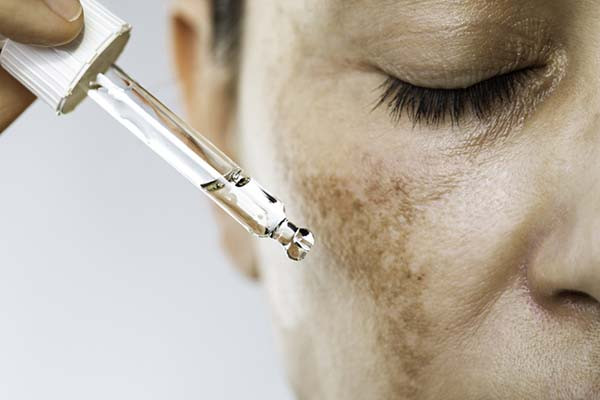
Are you battling unwanted dark spots and feeling like they are overshadowing your natural radiance? If so, then you’re likely dealing with hyperpigmentation, a common skin concern that affects many adults. It’s that uneven skin tone that can creep in, leaving you feeling less than your best.
The good news is you don’t have to simply live with it. This article is your guide to understanding the root causes of those dark patches and how you can effectively address them. We’ll break down the science behind hyperpigmentation and introduce you to Thiamidol, a promising ingredient that’s helping people achieve a visibly brighter and much more uniform complexion.
Think of this as your personal roadmap to reclaiming your skin confidence. Ready to get started?
What are the Root Causes of Hyperpigmentation
Your skin’s color comes from melanin, a pigment produced by cells called melanocytes. Under normal conditions, melanin helps protect the skin from sun damage. But when melanocytes get triggered erratically, melanin production and deposition go into overdrive, and you end up with darker patches of skin. Among the well-recognized triggers are:
- Sun Exposure: Ultraviolet (UV) rays stimulate melanin production as a protective response, but excessive or unprotected exposure can lead to pigmentation issues such as sunspots and age spots.
- Hormonal Changes: Fluctuations in hormones, particularly in women, can trigger melasma (also known as the mask of pregnancy). This condition causes symmetrical brown or greyish patches on the face, often on the cheeks, forehead, and upper lip.
- Post-Inflammatory Hyperpigmentation (PIH): This occurs after an injury or inflammation to the skin, such as acne, eczema, psoriasis, cuts, burns, or even aggressive cosmetic procedures. As the skin heals, it can leave behind a darkened patch.
- Certain Medications: Some drugs, like selected antibiotics, non-steroidal anti-inflammatory drugs (NSAIDs), and antimalarials, can increase melanin production and contribute to hyperpigmentation.
- Genetics: Some individuals are simply more predisposed to developing hyperpigmentation due to their genetic makeup.
The underlying mechanism uniting all these triggers of hyperpigmentation is the improper regulation of melanogenesis, which is the biochemical pathway of melanin production. At the heart of this process is the enzyme tyrosinase, which functions by converting the amino acid tyrosine into the compounds that ultimately form melanin.
When this enzymatic step becomes pathologically overactive or improperly managed, it leads to either the over-accumulation or failure to properly disperse melanin, resulting in visible pigment spots.
Thiamidol: A Targeted Approach to Reversing Hyperpigmentation
Thiamidol is a patented ingredient designed to directly target hyperpigmentation causes and types seamlessly. It has demonstrated significant results in clinical trials and is popularly used in skincare solutions today to fight pigmentation concerns and boost skin health.
Thiamidol works by inhibiting the activity of tyrosinase, an enzyme that plays a crucial role in melanin production. By reducing the amount of melanin produced, it helps to gradually fade existing dark spots and prevent the formation of new ones. The effects can be enhanced further when products are applied frequently during the day.
Incorporating Thiamidol into Your Skincare Routine
If you’re looking to address hyperpigmentation, consider incorporating Thiamidol-containing products into your daily skincare routine. Consider these tips when building your routine:
- Start with a gentle cleanser: Cleanse your face with a mild cleanser to remove dirt, oil, and impurities.
- Apply a Thiamidol serum or spot treatment: Apply it to the affected areas, following the product instructions.
- Follow with a moisturizer: Hydrate your skin with a non-comedogenic moisturizer to keep it balanced and healthy.
- Always use sunscreen: Protect your skin from further UV damage by applying a broad-spectrum sunscreen with an SPF of 30 or higher every morning, and reapply throughout the day, especially if you’re spending time outdoors.
Conclusion
Tackling hyperpigmentation effectively requires a blend of understanding its causes and utilizing cutting-edge treatments like Thiamidol. By addressing the overproduction of melanin directly, Thiamidol emerges as a powerful ally in fading stubborn dark spots and achieving a balanced skin tone. When combined with essential practices, this approach offers a comprehensive solution for long-term skin clarity and the healthy skin you desire.
